

Madhya Pradesh Travel Mart Highlights Community-Led, Conservation-Focused Wildlife Tourism
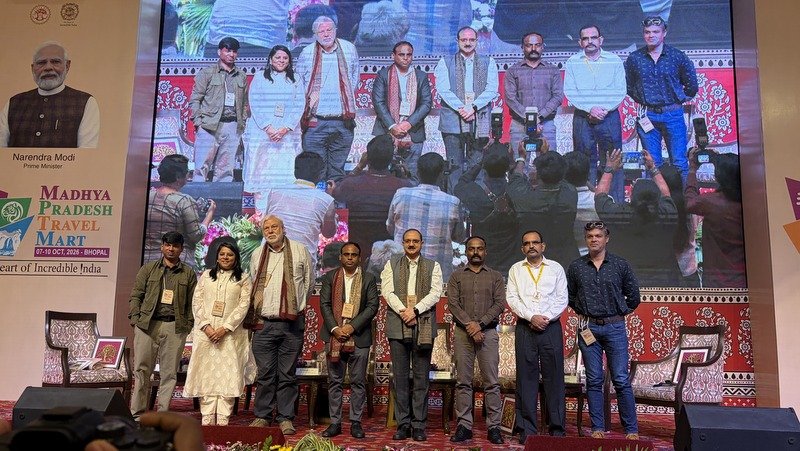
Panel calls for diverse nature-based experiences, professionally trained guides and greater community participation
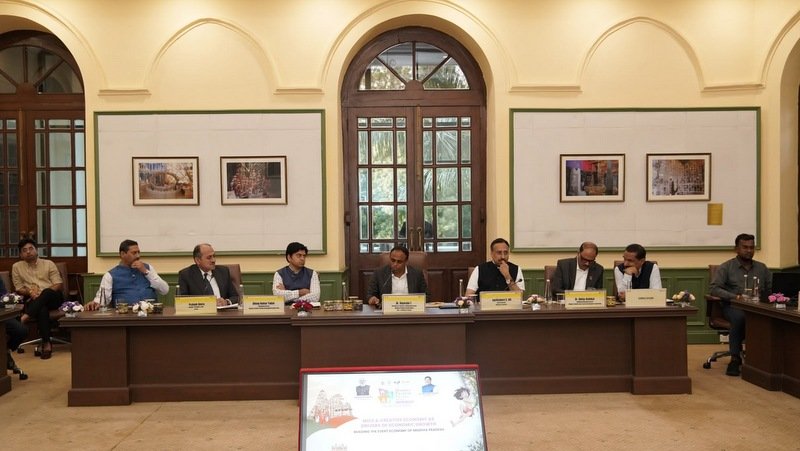
Wildlife conservation, community participation and sustainable tourism took centre stage on Day Two of Madhya Pradesh Travel Mart 2026 during a panel discussion titled “The Living Landscape of India’s Wilds: Wildlife, Communities and Sustainable Tourism in Madhya Pradesh” at the Kushabhau Thakre International Convention Centre, Bhopal.
Bhuvnesh Kumar, Secretary, Ministry of Tourism, delivered the keynote address. The session was moderated by Akanksha Garg, Founder and Director, Waxpol Hotels & Resorts, and Chairperson, ATOAI Women’s Collective.
The panel included L. Krishnamurthy, CEO, Madhya Pradesh Ecotourism Development Board; Dr. Ilayaraja T., Secretary, Tourism and Managing Director, Madhya Pradesh Tourism Board; David Raju, General Manager, CGH Earth Experience Hotels; Toby Sinclair, Director, andBeyond Asia; Parikshit Singh, Founder and CEO, Gram Stay; and wildlife photographer Shivang Mehta.
Kumar emphasised that tourism success should be measured not merely by visitor numbers but by its benefits to local communities and nature. He called for greater community engagement, responsible visitor behaviour and wider wildlife experiences beyond tiger sightings, highlighting opportunities around Chambal, Gandhi Sagar and vulture conservation.
Dr. Ilayaraja T. highlighted Madhya Pradesh’s conservation initiatives and the development of new wildlife tourism experiences, including Ratapani. He reiterated the state’s focus on balancing conservation with livelihood opportunities for local communities.
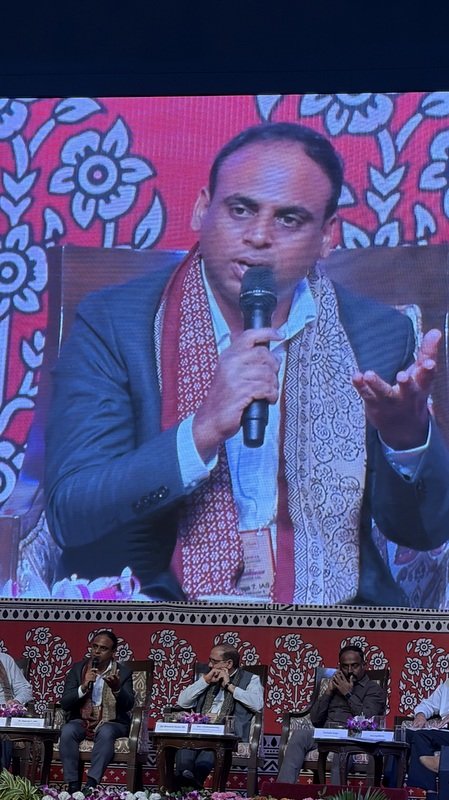
Krishnamurthy underscored the growing role of technology, visitor safety and professional training in strengthening wildlife tourism. Other panellists stressed the importance of knowledgeable guides and storytellers who can help visitors understand forests, biodiversity and local cultures.
The discussion also highlighted the potential of homestays, regional cuisine, handicrafts, cultural experiences and local employment to strengthen rural economies around wildlife destinations.
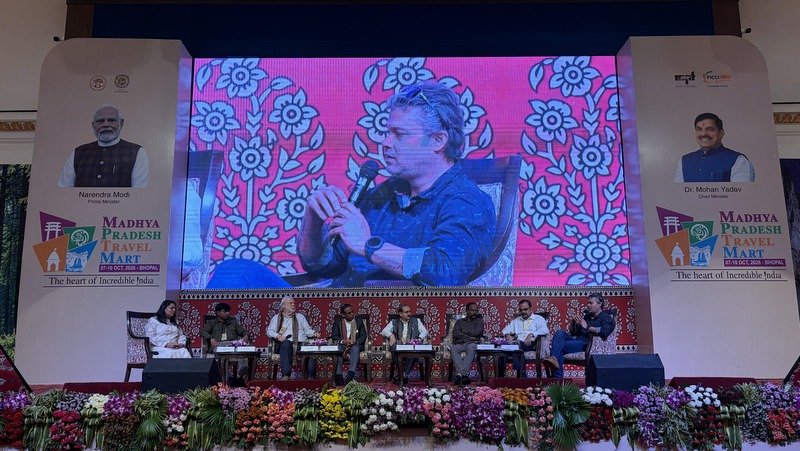
The session reinforced Madhya Pradesh’s commitment to a tourism model that places conservation, immersive experiences and community prosperity at its core, while protecting its rich natural heritage for future generations.